The Genius Behind Unexpected Brand Collaborations
This isn’t a random trend. It’s a calculated strategy that’s reshaping how brands think about growth, audience expansion, and cultural relevance. When a footwear company joins forces with a board game brand, they’re not just creating a quirky product. They’re tapping into nostalgia, accessing entirely new customer bases, and generating the kind of buzz that traditional advertising can’t buy.
The question isn’t whether these collaborations work anymore. It’s why more brands aren’t doing it.
The Founding Story: How This Movement Began
The roots of cross-niche brand collaborations can be traced back to the early 2000s, but the real explosion happened around 2015 when streetwear culture met the nostalgia economy head-on.
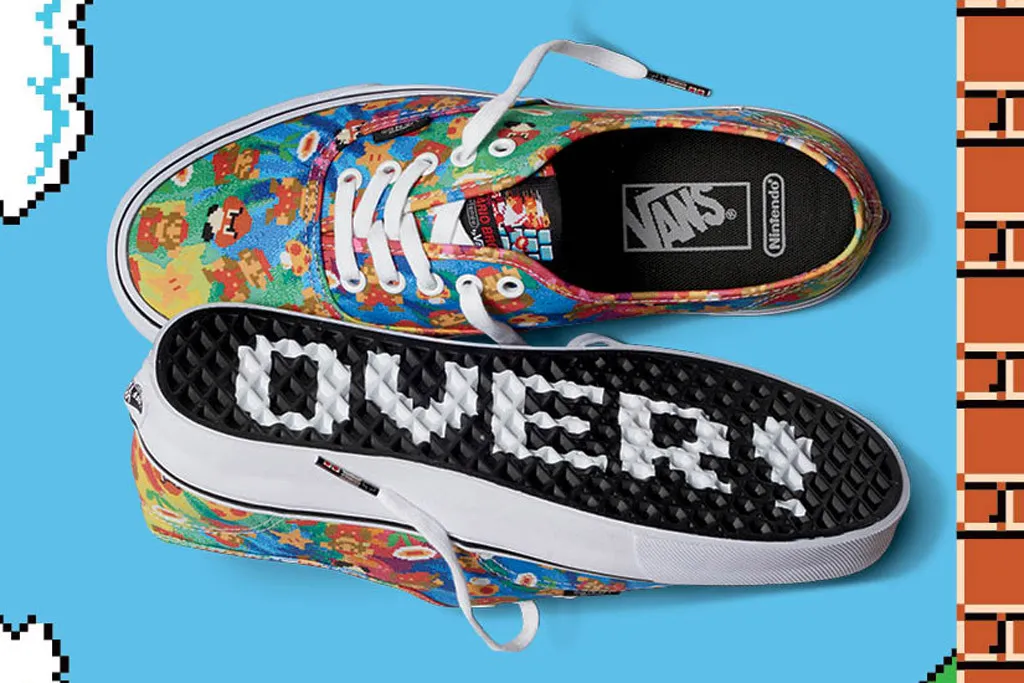
One of the earliest and most iconic examples was Vans collaborating with Nintendo in 2016. Suddenly, your childhood gaming memories were literally on your feet. The collection featured Mario, Donkey Kong, and Duck Hunt designs that spoke to millennials who grew up with controllers in their hands.
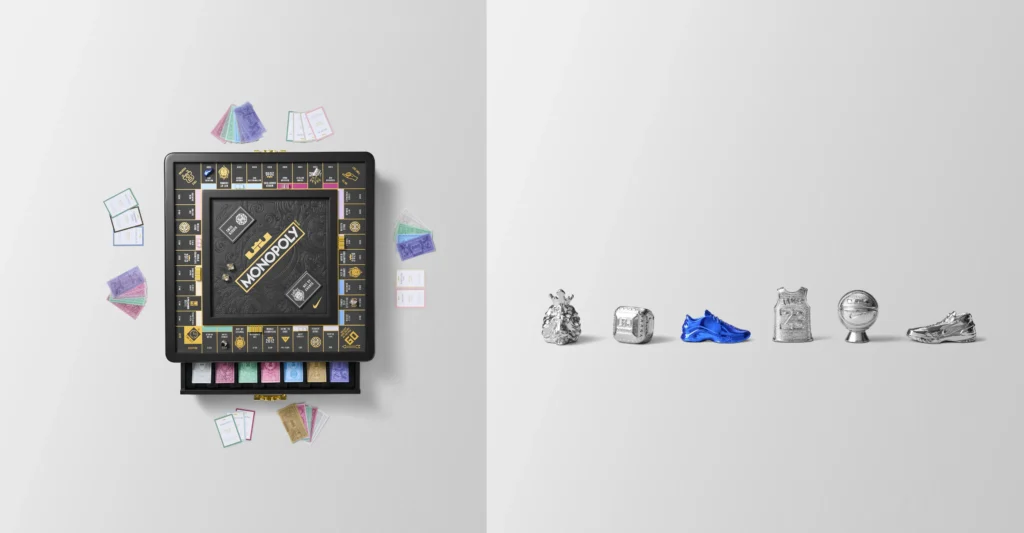
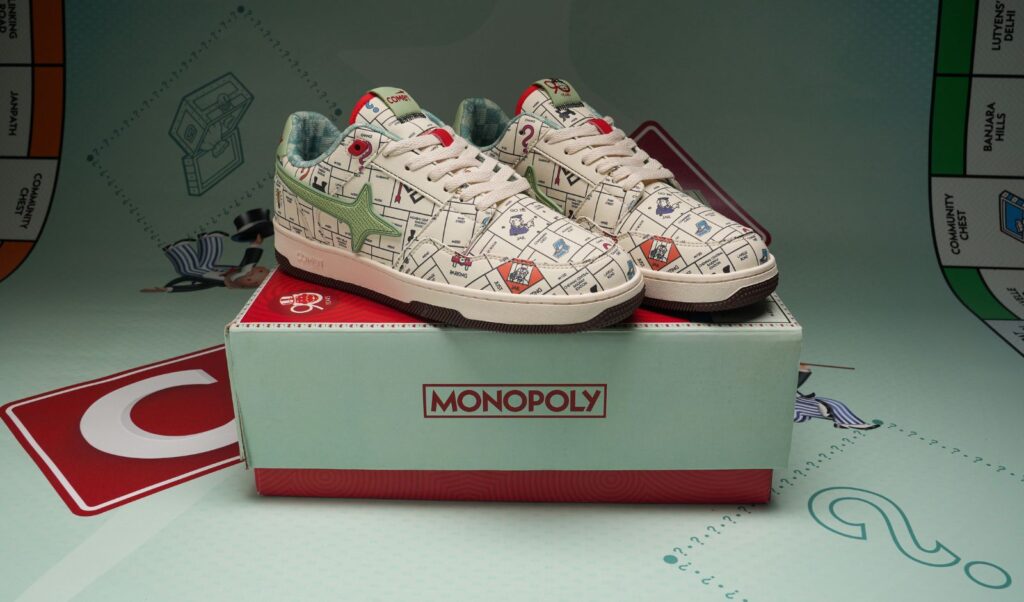
But the board game crossover trend really picked up steam when Adidas partnered with Monopoly in 2018. They created sneakers that looked like they’d been designed on a game board, complete with property cards, money prints, and that iconic top hat. The collection wasn’t just shoes, it was wearable nostalgia.
Then came the avalanche. Puma worked with Uno. New Balance teamed up with Hasbro. Even luxury brands like Hermès started experimenting with game-inspired designs, though with their signature elevated aesthetic.
What started as a creative experiment became a full-blown strategy when brands realized these collaborations were achieving something remarkable: they were making people feel something. In a world drowning in content and choices, emotional connection became the ultimate currency.
The Strategy That Led to Growth
So what makes these seemingly random partnerships so effective? Let’s break down the strategic genius:
Audience Cross-Pollination
It’s like introducing two friend groups at a party and watching them mesh perfectly. Each brand brings its loyal tribe, and suddenly you’ve doubled your potential customer base.
The Nostalgia Factor
Nostalgia is an incredibly powerful marketing tool, especially for millennials and Gen Z, who are now the primary consumers driving the market. Board games represent simpler times, family gatherings, rainy afternoons, and screen-free fun. When you attach that emotional weight to a physical product like sneakers, you’re not selling footwear anymore. You’re selling memories, comfort, and a piece of someone’s childhood.
These collaborations work because they trigger what psychologists call “nostalgia marketing,” a phenomenon where positive memories from the past influence present purchasing decisions. People aren’t just buying shoes; they’re buying a feeling.
Limited Edition Scarcity
Almost every successful cross-niche collaboration plays the scarcity card. Limited drops, exclusive releases, numbered editions create a sense of urgency that traditional products can’t match. When Adidas drops a Monopoly collection with only 5,000 pairs worldwide, it’s not just a product launch; it’s an event.
This scarcity model borrows heavily from the streetwear playbook, where limited availability drives hype, increases perceived value, and creates secondary markets where products sell for multiples of their original price. Brands learned that abundance kills desire, but scarcity breeds obsession.
Social Media Virality
These collaborations are Instagram gold. They’re visually interesting, conversation-starting, and shareworthy. When someone posts their Uno-themed Pumas, it’s not just a product photo; it’s a story. It invites comments like “OMG I used to play this with my grandma!” or “Remember when we played this every Friday night?”
User-generated content around these products creates organic marketing that money can’t buy. Each customer becomes a brand ambassador, and each post becomes free advertising that reaches highly engaged, relevant audiences.
Cultural Relevance and Storytelling
In today’s market, brands need to stand for something beyond their product category. A sneaker company that only talks about cushioning and arch support is boring. But a sneaker company that celebrates play, family time, and childhood memories? That’s a brand with a story.
These collaborations give brands permission to enter cultural conversations they’d otherwise be excluded from. They can talk about the importance of play, the value of unplugging, the beauty of analog experiences in a digital world. Suddenly, they’re not just selling products; they’re contributing to a lifestyle narrative.
Key Takeaways
Break the Category Box
Your brand doesn’t have to stay in its lane. The most interesting growth opportunities often exist at the intersection of seemingly unrelated categories. If you make shoes, why not explore toys, games, food, or music? The key is finding partners whose values and audience align with yours, even if their products don’t.
Emotion Trumps Logic
People don’t buy products based on features alone. They buy based on how those products make them feel. Cross-niche collaborations work because they trigger emotions—nostalgia, joy, surprise, curiosity—that rational marketing can’t access. When planning your next campaign, ask yourself: what feeling are we selling?
Scarcity Creates Value
Limited edition collaborations perform better than permanent line extensions. Create urgency through scarcity, whether it’s limited quantity, limited time, or limited access. The fear of missing out is a powerful motivator, especially when combined with emotional appeal.
Leverage Each Other’s Strengths
The best collaborations aren’t one-sided. When Vans worked with Hasbro, Vans brought streetwear credibility and distribution power, while Hasbro brought nostalgic IP and a completely different customer base. Look for partners who complement your weaknesses and amplify your strengths.
Think Beyond the Product
These collaborations succeed because they create experiences, not just products. They give customers something to talk about, share, and remember. Every collaboration should answer the question: what story are we telling together that neither of us could tell alone?
Not every collaboration works. The ones that succeed feel natural and authentic, not forced. When Adidas partnered with Monopoly, it made sense because both brands are about competition, strategy, and winning. When collaborations feel like pure cash grabs with no conceptual connection, consumers see through it immediately.
You don’t need to be a global sneaker brand to experiment with cross-niche collaborations. Local brands can partner with local game cafes, indie shoe brands can team up with independent game designers. The principle scales: find complementary audiences and create something neither brand could create alone.
The future of branding isn’t about staying in your lane. It’s about building bridges to unexpected places, creating moments that surprise and delight, and understanding that your competition isn’t other brands in your category. Your competition is irrelevance.
So, whether you’re selling shoes, skincare, or sandwiches, ask yourself: what’s your Monopoly? What unexpected partner could help you reach audiences you’ve never touched, tell stories you’ve never told, and create products that people actually care about?
Because in a world where consumers have infinite choices and limited attention, the brands that win aren’t the ones shouting the loudest. They’re the ones creating experiences worth remembering, conversations worth having, and products worth sharing.
And sometimes, that means putting a board game on a sneaker and calling it genius. Because honestly? It kind of is.