
Lessons from 2025’s Most Damaging Brand Controversy
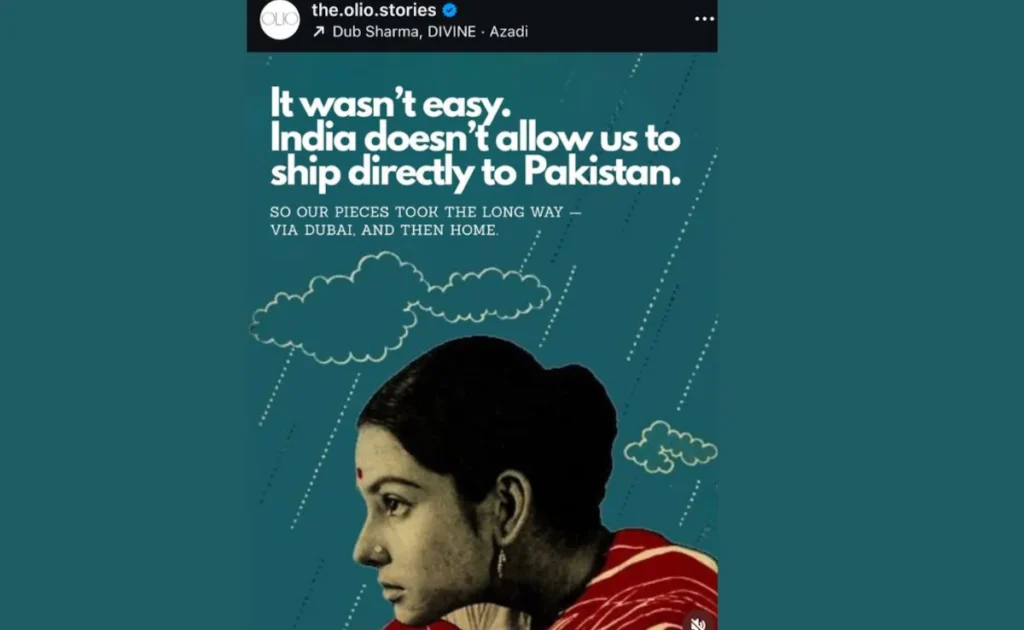
In August 2025, Delhi-based jewelry brand The Olio Stories didn’t just make a marketing mistake — they engineered their own downfall. What should have been a triumphant Independence Day campaign became one of the most high-profile brand collapses in recent Indian marketing history. The tragedy? It was entirely preventable.
Their “Azadi” campaign had all the right ingredients on paper: a beloved national occasion, jewelry rooted in Indian craftsmanship, and patriotic messaging. Instead, it detonated into a national scandal within hours of going live.
What Went Wrong
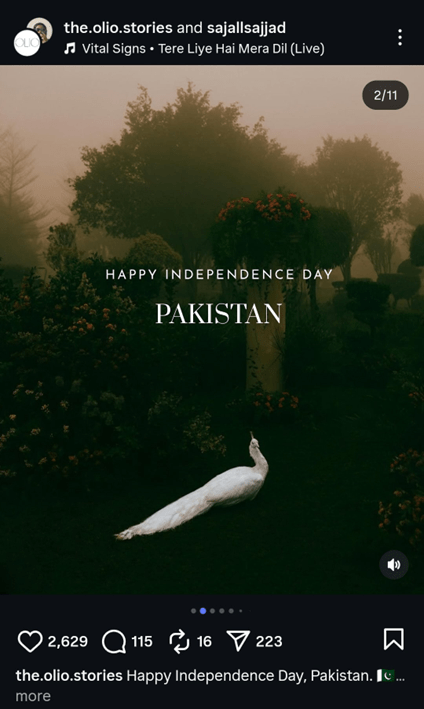
The campaign featured a distorted map of India — one that erased Jammu & Kashmir and Ladakh entirely. Approximately 370,000 square kilometers of Indian territory, defended by soldiers in some of the harshest conditions on earth, simply vanished from their visual. Then, on the same day they were supposedly celebrating Indian independence, the brand posted Independence Day greetings for Pakistan.
The internet responded swiftly and without mercy. Within hours, #BoycottOlioStories was trending nationally. Consumers weren’t merely disappointed — they felt genuinely betrayed. A brand that claimed to celebrate Indian heritage had managed to insult the very foundation of Indian identity at its most emotionally charged moment.
This Was Not an Accident — It Was a System Failure
What makes this case study so instructive is who was responsible. This wasn’t a foreign corporation stumbling over unfamiliar cultural terrain. The Olio Stories was an Indian brand, founded and run by Indian women — Aashna Singh and Sneha Saksena. They had every reason to know better.
Yet a map violating India’s territorial integrity passed through ideation, design, review, and publication without a single red flag being raised. That is not a lapse in individual judgment. That is a complete absence of cultural governance.
Key Insight: When no one in your approval chain asks “could this offend someone?”, you don’t have a process problem — you have a cultural blindness problem.
Why a Map Is Never Just a Map
To outside observers, the backlash might seem disproportionate. To any Indian consumer, it was entirely expected.
In India, national maps are not cartographic tools. They are symbols of sovereignty, sacrifice, and identity. They carry the memory of the Kargil War, of soldiers at Siachen, of decades of diplomatic and military struggle to defend every inch of territory. When you erase a region from that map, you are not making a design decision — you are making a political statement.
And when that erasure coincides with Independence Day greetings for Pakistan — on the same feed, on the same day — the perception among your audience is not “diplomatic.” It is devastating.
Critical point: In Indian consumer culture, intent is irrelevant. Perception is everything. And on Independence Day, perception is magnified tenfold.
Anatomy of the Disaster
1. No Cultural Vetting Process
Multiple people approved that map. None of them flagged it. This reveals a systemic absence of cultural review — a checkpoint that should exist at every stage of content production for any brand operating in India.
2. The Worst Possible Timing
Launching a culturally insensitive campaign on August 15th is the equivalent of pouring accelerant on a fire. Independence Day is when Indian national sentiment is at its peak. The emotional stakes are highest. The audience is most alert to anything that feels disrespectful to national identity.
3. The Pakistan Greeting
Wishing Pakistan a happy Independence Day is not inherently wrong — many Indians do so privately. But after posting a map that erased Indian territory, that gesture did not read as goodwill. It read as confirmation. Context collapsed any charitable interpretation.
4. A Crisis Response That Made It Worse
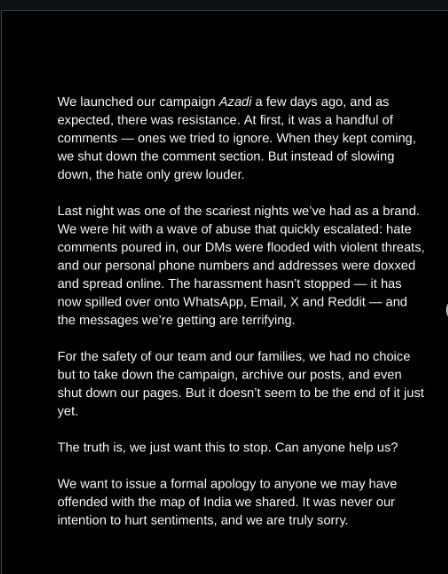
When the backlash erupted, The Olio Stories disabled Instagram comments. They didn’t address the criticism — they tried to mute it. When an apology eventually came, it felt transactional: not a genuine expression of remorse, but damage control. Audiences recognised it immediately. The apology didn’t defuse the situation. It deepened the sense of betrayal.
The Deeper Problem: Cultural Illiteracy in Indian Digital Marketing
The Olio Stories controversy is a symptom of a wider malaise. Too many Indian brands have become sophisticated in the mechanics of marketing — content calendars, algorithm optimisation, influencer partnerships, visual storytelling — while remaining fundamentally illiterate about the cultural context they operate in.
This is a dangerous combination. Technical marketing competence without cultural intelligence is like building a high-speed vehicle with no steering. The faster you go, the worse the crash.
India Is Not One Market
It is 28 states, 8 union territories, 22 official languages, multiple religious traditions, and an extraordinary diversity of regional sensibilities. Marketing that resonates in cosmopolitan Bengaluru may alienate audiences in Varanasi. What works in Mumbai may miss entirely in Patna. Successful brands in India don’t just do demographic targeting — they do anthropological understanding.
National Symbols Are Sacred, Not Creative Assets
The national flag, the anthem, the map, the symbols of independence, the memory of those who died for the country — these are not available for creative reinterpretation. They demand absolute, unconditional respect. Brands that experiment with them don’t just face backlash. They forfeit the trust they need to operate.
Social Media Is an Accelerant
In 2025, a cultural misstep doesn’t unfold over days. It detonates in hours. A single screenshot can reach millions before your crisis team has drafted a response. The Olio Stories went from zero to national trending in less time than it takes to write an apology. Reactive crisis management is no longer an option. Proactive cultural auditing is the only viable strategy.
Authenticity Cannot Be Performed
Indian consumers have a finely calibrated sense of what is genuine versus what is cultural appropriation for marketing purposes. They know when a brand truly understands India versus when it is mining India’s imagery for aesthetic value. The Olio Stories revealed, in the worst possible way, that their celebration of Indian heritage was surface-level positioning rather than genuine cultural commitment.
What Culturally Intelligent Marketing Looks Like
Cultural sensitivity is not the last checkpoint before publication. It is the foundation on which every campaign is built. Here is what that looks like in practice:
Multi-Layer Cultural Auditing
Every campaign is reviewed across regional, linguistic, religious, political, and historical dimensions before it reaches social media. The question is not just “is this legal?” but “could this wound someone’s sense of identity?” That requires different skills and different sensibilities.
Diverse Perspectives Built Into the Team
Blind spots are inevitable when teams lack diversity. We deliberately build teams that include people from different states, linguistic backgrounds, and cultural frameworks — not as a token gesture, but because cultural intelligence requires lived experience, not just research.
Historical Context Research
Before touching nationally significant moments — Independence Day, Republic Day, Partition anniversaries, religious festivals — we research not just what the occasion is, but what it means: the emotions it carries, the sensitivities surrounding it, the symbols that are sacred versus those that are open to creative expression.
The Grandmother Test
A crude but effective filter: if you would not show this campaign to your traditional Indian grandmother without flinching, do not publish it. Grandmothers represent the cultural memory, traditional values, and emotional intuitions that brands often overlook — at their peril.
The Opportunity on the Other Side
Here is what brands that are fixated on avoiding controversy often miss: cultural intelligence is not just a risk management tool. It is a growth engine.
When brands demonstrate a genuine, nuanced understanding of Indian culture — when they celebrate festivals with real knowledge rather than generic festivity, when they use regional languages with care rather than awkward translation, when they reference historical moments with authentic respect — Indian consumers don’t just buy their products. They become advocates. They defend the brand, and they feel seen.
India’s digital economy is expanding rapidly. Consumer spending is rising. Brand consciousness is growing. The brands that will capture long-term loyalty are not those with the largest budgets or the most sophisticated targeting. They are the brands that understand one thing above all else: in India, culture is not a marketing channel. It is the operating system of human connection.
Key Takeaways
For every brand operating in India, the Olio Stories case offers the following non-negotiable lessons:

Pingback: Leadership in Crisis: 5 Lessons the UAE Taught the World - Soch Sutra
Pingback: Ragebait: The Oxford Word That Cost Brands Billions - Soch Sutra